Karpoori Thakur’s legacy and significance in Bihar politics
Karpoori Thakur: A look at the socialist icon’s legacy in Bihar politics
- By Gurmehar --
- Friday, 24 Oct, 2025
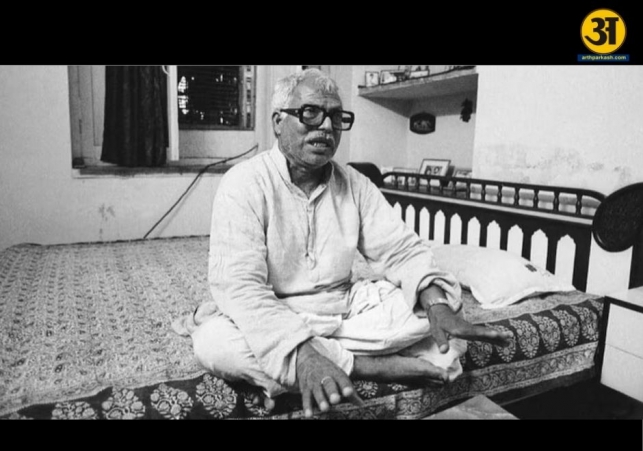
Karpoori Thakur remains one of the most respected figures in Bihar politics, celebrated for his dedication to social justice and the upliftment of marginalized communities. Known as the “Jan Nayak” or People’s Leader, Thakur served as Chief Minister of Bihar twice and introduced policies that continue to influence the state’s political landscape today. His efforts focused on education reform, social equity, and empowerment of backward communities, earning him a lasting legacy in Indian politics.
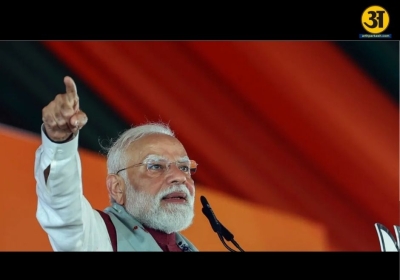
Prime Minister Narendra Modi recently paid tributes to Thakur at Karpoori Gram in Samastipur, meeting his family as part of the NDA’s election campaign. Thakur’s legacy remains a key symbol in Bihar, with multiple political parties seeking to associate themselves with his ideals and policies, particularly the famous “Karpoori Thakur Formula” for reservations that aimed to correct historical social inequalities.
Champion of social justice and reservations
Karpoori Thakur played a central role in advancing social justice in Bihar. In 1977, as Chief Minister, he introduced a landmark reservation system to help historically marginalized communities. This policy provided 12% reservation for Extremely Backward Classes (EBCs) and an additional 8% for Other Backward Classes (OBCs). His approach was notable for its focus on both gender and economic equality, reserving 3% specifically for women and another 3% for economically weaker sections, ensuring broader access to education and government jobs.
Thakur’s policies went beyond reservations. He implemented education reforms by making primary and middle school education free and removing English as a compulsory subject in matriculation exams. This step aimed to make learning more accessible to underprivileged students. He also established schools and colleges in backward areas to improve literacy and learning opportunities. Additionally, Thakur enforced prohibition of alcohol, reflecting his commitment to social welfare and public discipline.
As the first non-Congress socialist Chief Minister of Bihar, Thakur represented socialist values, focusing on the upliftment of poor and backward communities. His leadership was marked by simplicity, honesty, and a deep connection with the people, earning widespread respect and admiration. His populist approach and policies strengthened social equity and left a lasting impact on Bihar’s governance.
ALSO READ: Experts raise alarm over increasing breast cancer in young women
ALSO READ: India faces rising concerns over adulterated eggs alongside fake paneer
Lasting legacy and Bharat Ratna recognition
Karpoori Thakur’s contributions continue to shape Bihar’s political and social landscape. Current political leaders often invoke his name and ideals to appeal to voters, especially those from marginalized communities. His focus on social justice, education, and representation remains central to many policies in the state, influencing political discourse even decades after his tenure.
In recognition of his extraordinary service, Thakur was posthumously awarded the Bharat Ratna, India’s highest civilian honor. President Droupadi Murmu announced the award on January 23, 2024, just a day before his birth centenary, and it was formally conferred on Republic Day, January 26, 2024. This recognition celebrated Thakur’s enduring impact on Bihar and India, honoring his life-long commitment to equality, social reform, and empowerment of the underprivileged.
Karpoori Thakur’s leadership serves as a benchmark for politicians in Bihar and beyond. His policies, particularly the Karpoori Thakur Formula, reflect a vision of fairness and opportunity for all, aiming to reduce historical disadvantages and create a more inclusive society. Beyond politics, his life story inspires future generations to prioritize integrity, service, and the welfare of marginalized communities.
In conclusion, Karpoori Thakur’s socialist vision and dedication to the people established him as one of Bihar’s most influential leaders. Through reservation policies, education reforms, and efforts to empower the backward classes and women, he reshaped the state’s social and political landscape. Known as Jan Nayak, Thakur’s legacy continues to influence policies and political discourse, making him a lasting icon of justice, equality, and people-centric leadership in Bihar and India.
Related News